How to Brew Oolong Tea – The Art of Partial Oxidation
Discover the delicate balance of brewing Oolong tea, where partial oxidation creates complex floral, fruity, and creamy notes. Learn to unlock its layered aromas and lingering sweetness through precise temperature control and multiple infusions.
Quick Brewing Reference
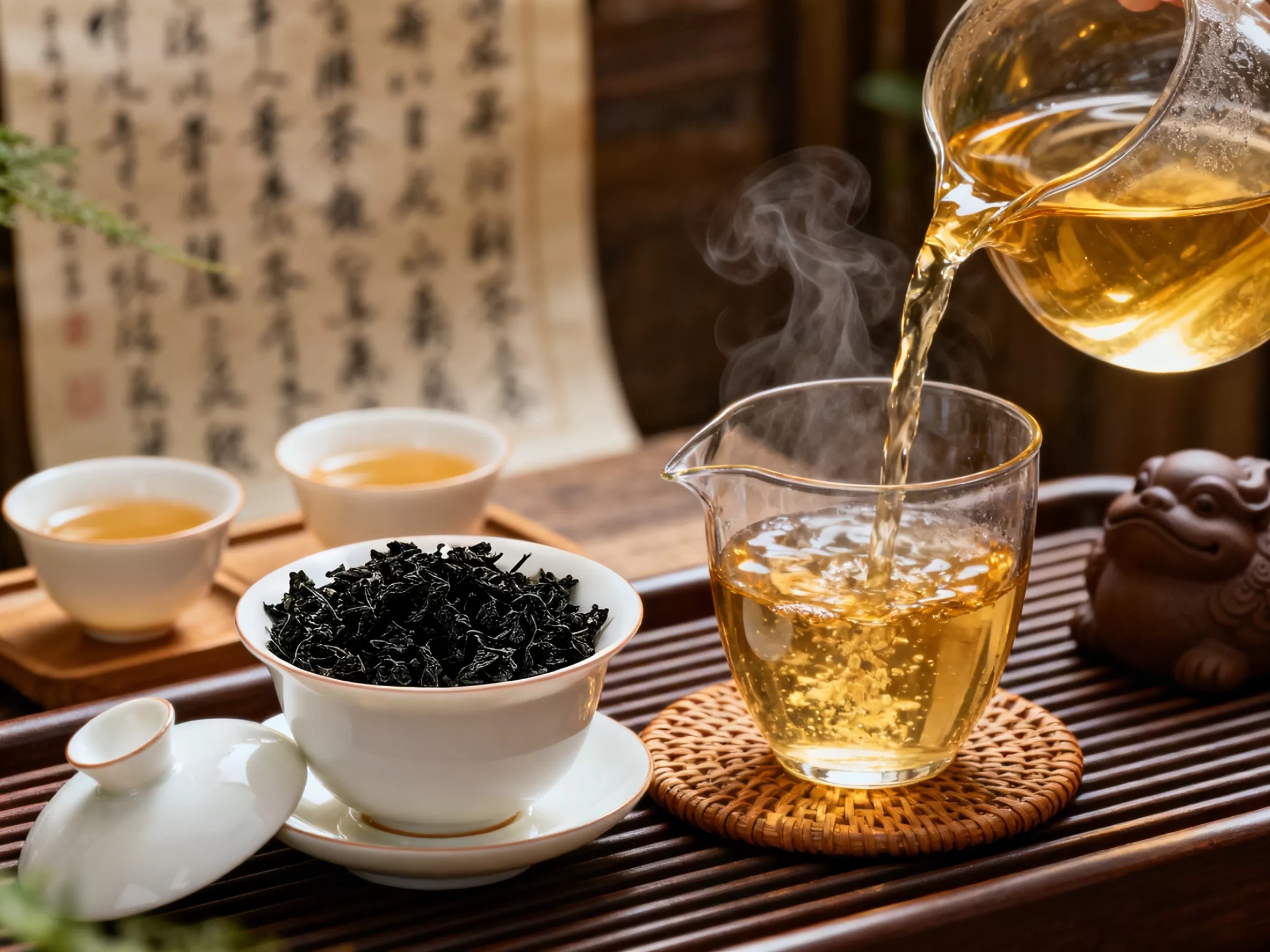
Gongfu Method
Tea: 6-8g Oolong
Water: 90-95°C
Vessel: 100-120ml gaiwan
Time: 20s → 25s → 30s → 35s…
Western Style
Tea: 3-4g Oolong
Water: 90-95°C
Vessel: 300ml teapot
Time: 3-5 minutes, 2-3 infusions
Yixing Style
Tea: 7-8g Oolong
Water: 95°C
Vessel: 150ml Yixing pot
Time: 15-25s, 6-10+ infusions
Brewing Parameters
Water Temperature
85–95°C (Varies by oxidation level)
- Light Oolong: 85-90°C
- Medium Oolong: 90-95°C
- Dark Oolong: 95°C
Never use boiling water for delicate green oolongs
Tea-to-Water Ratio
- Gongfu style: 6–8g per 100-120ml
- Western style: 3–4g per 200ml
- Yixing brewing: 7–8g per 150ml
Steeping Time
- Rinse: Quick rinse (5s) to awaken leaves
- 1st infusion: 20–25 seconds
- 2nd infusion: 25–30 seconds
- 3rd+ infusions: +5 seconds each
- Multiple infusions: 6–12+ for high-quality Oolong
Brewing Steps
Select Your Oolong
Choose based on oxidation level: light (10-30%), medium (30-50%), or dark (50-70%). Adjust water temperature accordingly.
Warm & Rinse
Warm your teaware thoroughly. Add leaves, give a quick 5s rinse to awaken them, then discard water.
Observe the aroma of rinsed leaves – it reveals the tea’s character.
First Infusion
85-95°C water, 20–25s. Pour completely into fairness cup.
Focus: Initial aroma, light floral notes, and texture.
Second Infusion
25–30s. Notice how tightly rolled leaves begin to unfurl, releasing more complexity.
Progressive Steeping
+5s each steep. High-quality Oolong reveals different notes in each infusion.
Peak complexity usually occurs in infusions 3-5.
Final Infusions
When flavor lightens, increase to 45-60s per steep. Enjoy the subtle, sweet finish.
Tasting Notes & Progression
Early Infusions (1-3)
Light Oolong
Delicate floral, fresh grass, light orchid notes
Medium Oolong
Balanced floral and fruity, creamy texture
Dark Oolong
Roasted notes, honey, stone fruit
Middle Infusions (4-7)
Peak Complexity
Full expression of aroma and flavor layers
Mouthfeel
Smooth, buttery texture with lingering sweetness
Aroma Development
From delicate top notes to deeper base notes
Later Infusions (8+)
Flavor Transformation
Complex → simple elegance, mineral finish
Hui Gan
Sweet aftertaste that emerges after swallowing
Cha Qi
Uplifting, calming energy sensation
Oolong Types Guide
Light Oolong
(10-30% Oxidation)
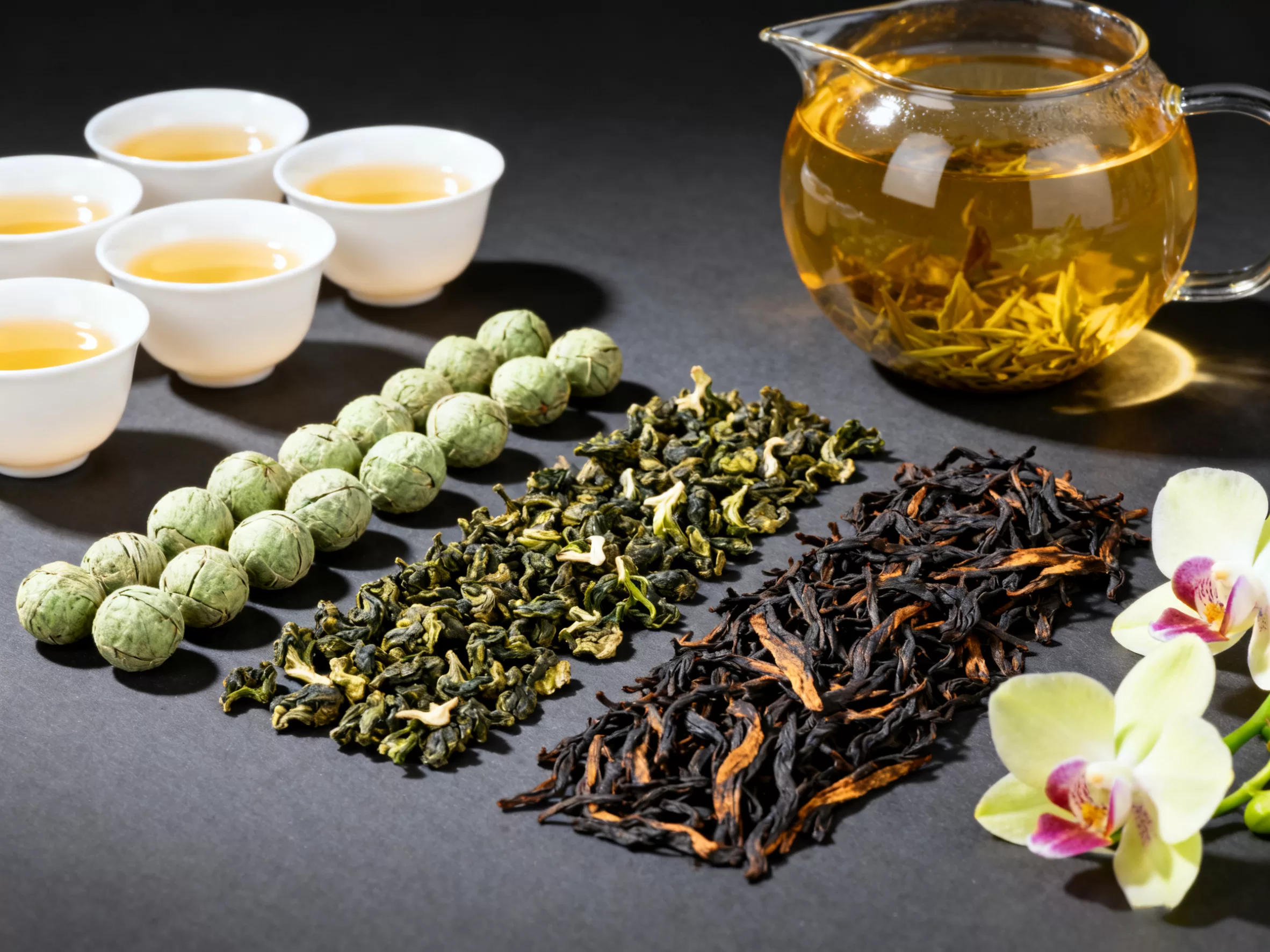
Examples: Taiwanese High Mountain, Bao Zhong
Flavor: Delicate, floral, fresh
Brew Temp: 85-90°C
Appearance: Green, tightly ball-rolled
Medium Oolong
(30-50% Oxidation)
Examples: Tie Guan Yin, Alishan
Flavor: Balanced, creamy, orchid notes
Brew Temp: 90-95°C
Appearance: Green-brown, semi-ball-rolled
Dark Oolong
(50-70% Oxidation)
Examples: Da Hong Pao, Wuyi Rock Tea
Flavor: Rich, roasted, mineral
Brew Temp: 95°C
Appearance: Dark brown, strip-style
Cultural Insight
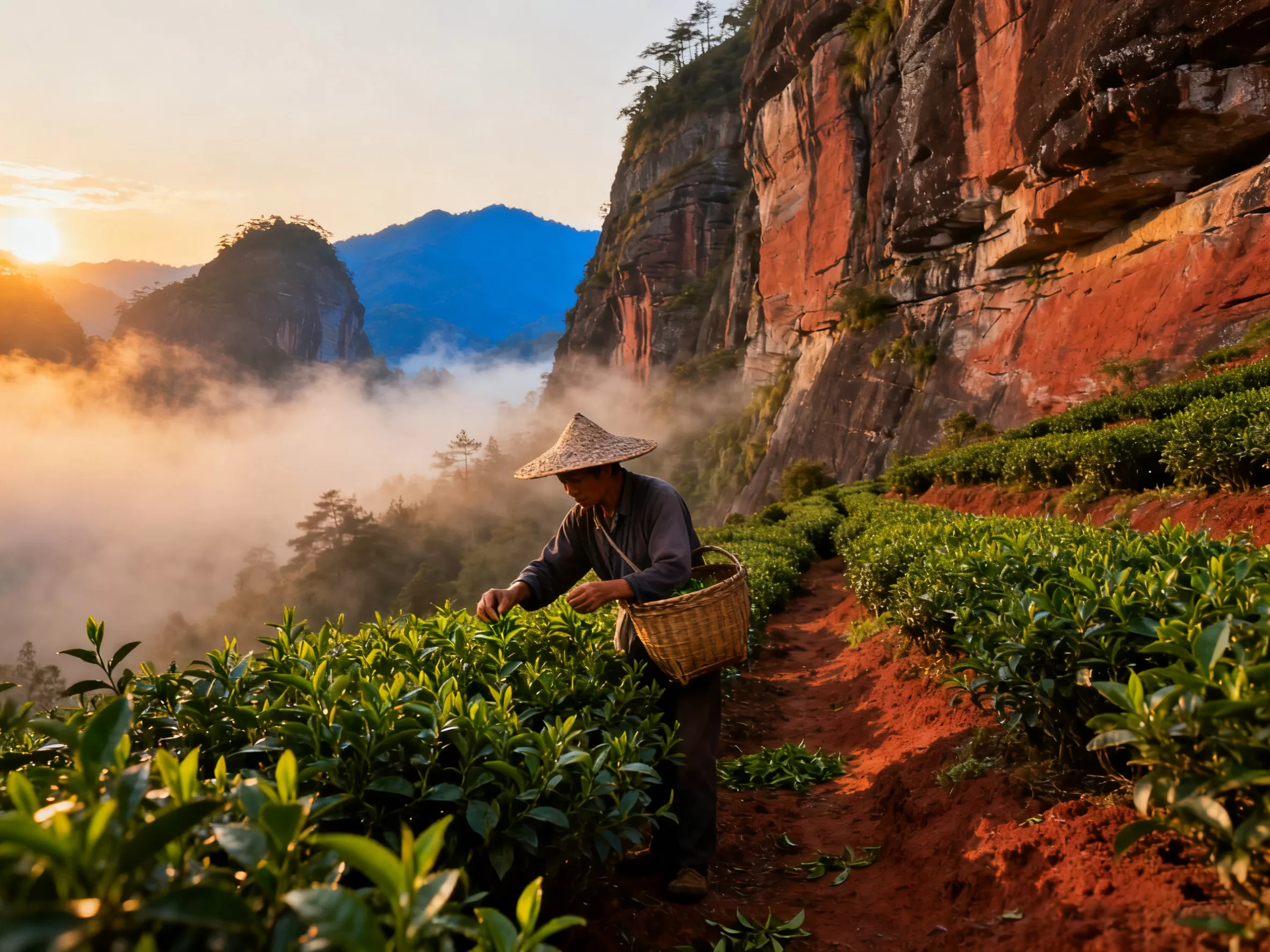
Oolong tea, meaning “Black Dragon” tea, represents the art of partial oxidation – a technique perfected over centuries in China’s Fujian and Guangdong provinces. The most skilled tea masters can create dozens of oxidation levels, each producing unique flavor profiles.
Traditional Oolong processing involves withering, bruising, partial oxidation, fixation, rolling, and drying. This complex process creates the characteristic floral aroma and layered complexity that makes Oolong one of the most sophisticated tea categories.
Troubleshooting Common Issues
Too Bitter/Astringent
Lower water temperature (85°C), shorter steep times, or use fewer leaves.
Weak Flavor
Increase leaf amount, use hotter water (up to 95°C), or extend steep time.
Leaves Don’t Unfurl
Use hotter water, longer first steep, or ensure complete pouring between infusions.
Flat Aroma
Pre-warm teaware thoroughly, use mineral water, or try aroma cups.
Recommended Teaware
🍵 Gaiwan
Ideal for evaluating aroma evolution across infusions.
🫖 Yixing Pot
Best for dark oolongs, enhances complexity over time.
⚱️ Fairness Cup
Essential for consistent Gongfu brewing.
👃 Aroma Cups
Reveals the complex fragrance layers of Oolong.
Discover the World of Oolong
Explore our curated selection of premium Oolong teas, from delicate high mountain varieties to rich, roasted Wuyi rock teas.