
Tea is more than just a beverage in China—it’s a way of life, a bridge between nature and culture, and a timeless ritual that has been perfected over millennia. From the misty mountains of Yunnan to the bustling tea markets of Fujian, Chinese tea embodies centuries of tradition, craftsmanship, and wellness. At Teazoe, we are passionate about sharing this heritage with the world. As a cross-border e-commerce platform specializing in authentic Chinese teas, we bring you the finest loose leaf varieties, each with its own story, flavor, and health benefits.
In this guide, we’ll take you on a journey through the six main categories of Chinese tea: black, green, oolong, pu erh, white, and herbal. Whether you’re a seasoned tea lover or just beginning to explore the world of tea, this post will help you understand the unique characteristics of each type, their health benefits, and how to brew them to perfection. So, grab your favorite teacup, and let’s dive into the enchanting world of Chinese tea with Teazoe.
1. Black Tea: The Bold and Robust Classic
A Brief History
Known as “red tea” or “hong cha” in China, black tea has been a staple in Chinese tea culture since the Ming Dynasty. Its name comes from the dark, reddish hue of the brewed tea, a result of full oxidation during processing. Black tea was originally developed for export, as its robust flavor could withstand long journeys along the Ancient Tea Horse Road.
Unique Characteristics
Chinese black tea is prized for its rich, malty flavors and deep amber color. Unlike its Western counterparts, which are often blended, Chinese black teas are pure and unadulterated, offering a true taste of their origin.
- Popular Varieties:
- Keemun: Known as the “Burgundy of teas,” Keemun from Anhui province has a smooth, slightly smoky flavor with hints of cocoa and fruit.
- Lapsang Souchong: This Fujian tea is dried over pinewood fires, giving it a distinctive smoky aroma and bold taste.
- Dian Hong: From Yunnan, this tea features golden tips and a sweet, caramel-like flavor with a malty finish.
Health Benefits
Black tea is more than just a comforting brew—it’s packed with antioxidants that support heart health, reduce cholesterol, and boost energy levels. Its moderate caffeine content makes it a great alternative to coffee, providing a gentle lift without the jitters.
Brewing Tips
- Water Temperature: 200-212°F (93-100°C)
- Steeping Time: 3-5 minutes
- Tea-to-Water Ratio: 1 teaspoon per 8 ounces of water
- Pro Tip: For a traditional touch, enjoy it with a splash of milk or a slice of lemon.

2. Green Tea: The Fresh and Revitalizing Elixir
A Brief History
Green tea is the oldest type of tea in China, with roots dating back over 4,000 years. It was originally used for medicinal purposes before becoming a daily beverage. Today, it remains the most consumed tea in China, celebrated for its fresh taste and health benefits.
Unique Characteristics
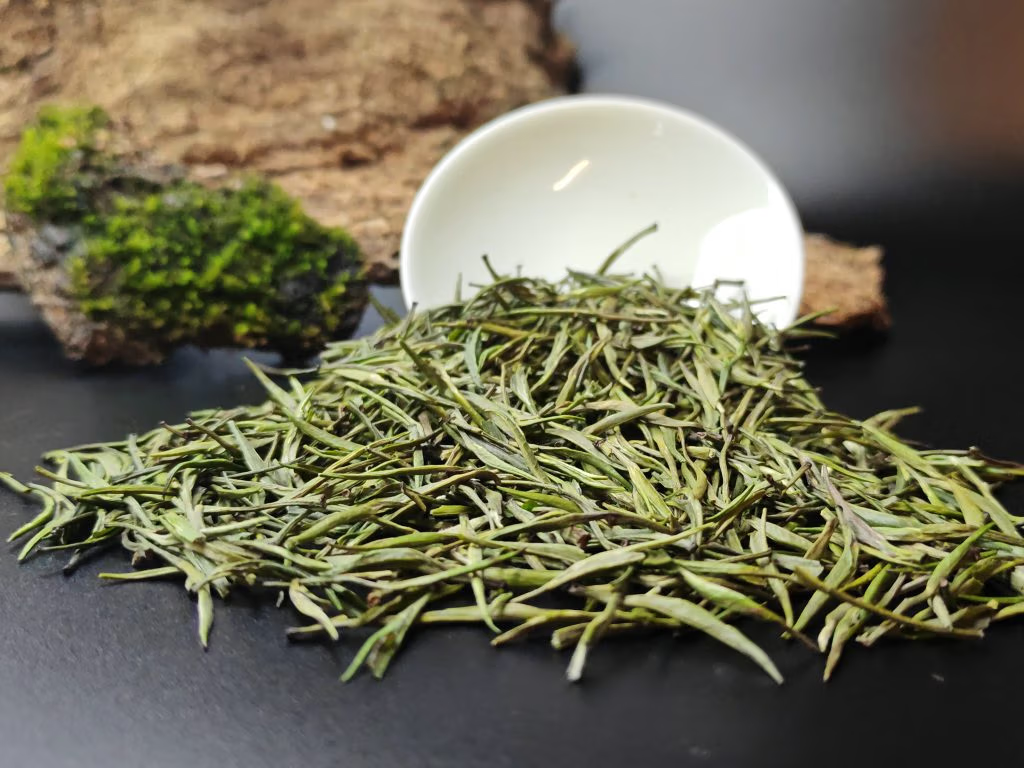
Chinese green tea is unoxidized, which preserves its natural green color and delicate flavors. It’s often described as grassy, vegetal, or nutty, with a light, refreshing finish.
- Popular Varieties:
- Longjing (Dragon Well): From Hangzhou, this tea is known for its flat, jade-green leaves and sweet, chestnut-like flavor.
- Biluochun: Grown near Taihu Lake, it has tightly curled leaves and a floral, fruity aroma.
- Mao Feng: From Huangshan, this tea features tender buds and a crisp, refreshing taste.
Health Benefits
Green tea is a powerhouse of antioxidants, particularly catechins, which support weight loss, improve brain function, and reduce the risk of chronic diseases. Its low caffeine content makes it ideal for all-day sipping.
Brewing Tips
- Water Temperature: 175-185°F (80-85°C)
- Steeping Time: 2-3 minutes
- Tea-to-Water Ratio: 1 teaspoon per 8 ounces of water
- Pro Tip: Use a glass teapot to watch the leaves unfurl, a process known as the “agony of the leaves.”
3. Oolong Tea: The Complex and Aromatic Gem
A Brief History
Oolong tea, or “wulong” tea, originated in Fujian province during the Ming Dynasty. Its name, meaning “black dragon,” reflects the dark, twisted leaves of some varieties. Oolong tea is semi-oxidized, offering a balance between the freshness of green tea and the depth of black tea.
Unique Characteristics
Oolong teas are known for their wide range of flavors, from floral and creamy to roasted and earthy. The level of oxidation can vary, resulting in light or dark oolongs.
- Popular Varieties:
- Tieguanyin (Iron Goddess of Mercy): A light oolong from Anxi with a floral aroma and smooth, buttery finish.
- Dahongpao (Big Red Robe): A dark oolong from Wuyi Mountain, famous for its “rock rhyme” flavor—a mineral-rich, roasted taste.
- Phoenix Dancong: From Guangdong, this oolong mimics flavors like honey and lychee, showcasing the diversity of oolong teas.
Health Benefits
Oolong tea is a natural metabolism booster, making it a popular choice for weight management. It also supports digestion, improves skin health, and provides a moderate caffeine boost for enhanced focus.
Brewing Tips
- Water Temperature: 185-205°F (85-96°C)
- Steeping Time: 3-5 minutes for the first infusion; increase for subsequent infusions
- Tea-to-Water Ratio: 1 teaspoon per 8 ounces of water
- Pro Tip: Oolong teas are perfect for multiple infusions—each steep reveals new layers of flavor.

4. Pu Erh Tea: The Aged and Earthy Treasure
A Brief History
Pu erh tea hails from Yunnan province and has been traded along the Ancient Tea Horse Road for over a thousand years. Unlike other teas, pu erh is post-fermented, allowing it to develop rich, earthy flavors over time.
Unique Characteristics
Pu erh tea is available in two forms: raw (sheng) and ripe (shou). Raw pu erh ages naturally, while ripe pu erh undergoes accelerated fermentation for a quicker, mellow flavor.
- Popular Varieties:
- Raw Pu Erh: Starts vibrant and astringent, maturing into a smooth, complex tea over years.
- Ripe Pu Erh: Offers a deep, earthy taste with notes of wood and mushrooms, perfect for those new to pu erh.
Health Benefits
Pu erh is renowned for its digestive benefits, often enjoyed after meals in China. It also supports cholesterol management, weight loss, and detoxification, thanks to its unique microbial fermentation.
Brewing Tips
- Water Temperature: 212°F (100°C)
- Steeping Time: 3-5 minutes for loose pu erh; for compressed forms, start with a 20-second rinse, then steep for 20-30 seconds per infusion
- Tea-to-Water Ratio: 1 teaspoon for loose tea or 5-7 grams for compressed tea per 8 ounces of water
- Pro Tip: Use a clay teapot to enhance the tea’s earthy notes.

5. White Tea: The Delicate and Pure Delight
A Brief History
White tea is one of the rarest and most delicate teas, originating from Fujian province. It’s harvested in early spring when the tea buds are still covered in fine white hairs, giving the tea its name.
Unique Characteristics
White tea is minimally processed, undergoing only withering and drying. This preserves its light, floral flavors and high antioxidant content.
- Popular Varieties:
- Silver Needle (Bai Hao Yin Zhen): Made from pure buds, offering a sweet, delicate flavor.
- White Peony (Bai Mu Dan): Includes buds and leaves, with a fuller body and subtle fruit notes.
Health Benefits
White tea is a potent source of antioxidants, supporting heart health, skin vitality, and immune function. Its low caffeine content makes it a soothing choice for any time of day.
Brewing Tips
- Water Temperature: 175-185°F (80-85°C)
- Steeping Time: 1-3 minutes for the first infusion
- Tea-to-Water Ratio: 2 teaspoons per 8 ounces of water
- Pro Tip: Brew in a clear glass to appreciate the tea’s gentle infusion.

6. Herbal Tea: The Caffeine-Free Wellness Brew
A Brief History
While not a true tea, herbal tea—or tisane—has been used in China for centuries as a natural remedy. Made from herbs, flowers, and fruits, it offers a caffeine-free alternative with diverse flavors and benefits.
Unique Characteristics
Herbal teas are incredibly versatile, ranging from floral and sweet to spicy and earthy. They’re often blended to target specific wellness goals.
- Popular Varieties:
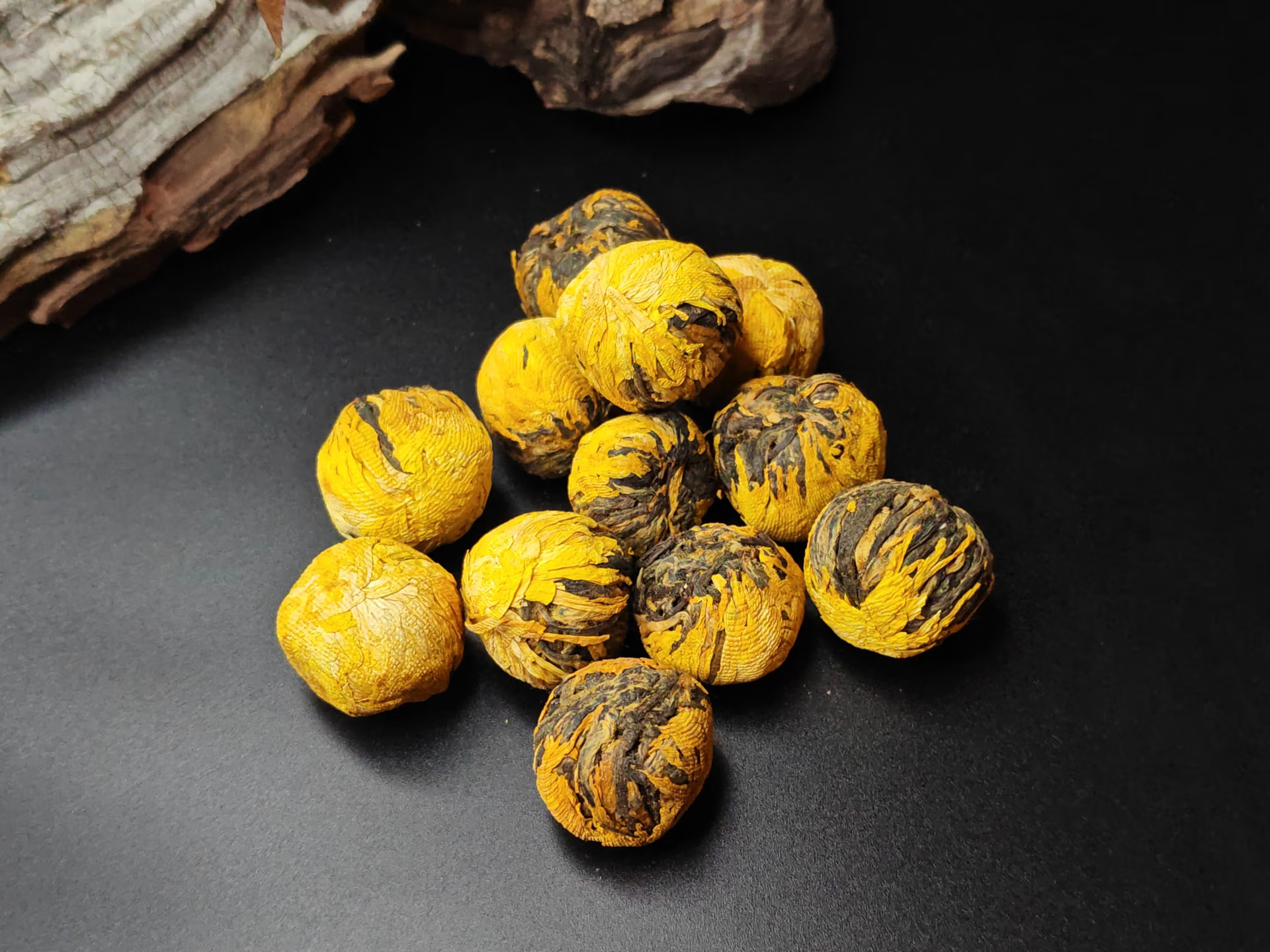
- Chrysanthemum Tea: A cooling tea that balances internal heat and supports eye health.
- Ginger Tea: Warming and spicy, perfect for digestion and energy.
- Peppermint Tea: Crisp and refreshing, aiding digestion and focus.
Health Benefits
Herbal teas are tailored to various needs:
- Relaxation: Chamomile and lavender promote calm and sleep.
- Digestion: Ginger and peppermint soothe the stomach.
- Detox: Chrysanthemum and dandelion support liver health.
Brewing Tips
- Water Temperature: 200°F (93°C)
- Steeping Time: 5-10 minutes
- Tea-to-Water Ratio: 1-2 teaspoons per 8 ounces of water
- Pro Tip: Experiment with blends—try mixing chrysanthemum with goji berries for a sweet, floral twist.
Brewing the Perfect Cup: General Tips for All Teas
While each tea has its unique brewing requirements, here are some universal tips to elevate your tea experience:
- Use Fresh Water: Always start with fresh, filtered water for the best flavor.
- Mind the Temperature: Overheating can scorch delicate teas like green and white, while underheating may not extract the full flavor of black or pu erh teas.
- Steep with Care: Follow the recommended steeping times to avoid bitterness. For teas that can be steeped multiple times, like oolong and pu erh, increase the time slightly with each infusion.
- Choose the Right Teaware: Use a gaiwan or small teapot for traditional brewing, or a simple infuser for convenience.
- Store Properly: Keep your teas in airtight containers away from light, heat, and moisture to preserve their freshness.
At Teazoe, we believe that brewing tea is an art form—a moment to slow down, savor, and connect with centuries of tradition.
Why Choose Teazoe for Your Chinese Tea Journey?
Teazoe isn’t just a tea seller; we’re your gateway to the authentic world of Chinese tea. Here’s why tea lovers around the globe trust us:
- Direct Sourcing: We partner with skilled farmers and artisans across China to bring you the freshest, highest-quality teas.
- Premium Loose Leaf Teas: Our teas are whole leaf, ensuring superior flavor and aroma compared to broken leaves or tea bags.
- Expert Curation: Our tea specialists hand-select each variety, ensuring only the best make it to your cup.
- Global Reach: As a cross-border platform, we make it easy for you to enjoy authentic Chinese teas, no matter where you are.
- Commitment to Sustainability: We prioritize eco-friendly practices and fair trade, supporting both the environment and the communities behind our teas.
Whether you’re exploring Chinese tea for the first time or deepening your appreciation, Teazoe is here to guide you every step of the way.

Conclusion: Embrace the World of Chinese Tea with Teazoe
Chinese tea is a journey of discovery—one that engages the senses, nurtures the body, and connects us to a rich cultural heritage. From the bold depths of black tea to the delicate purity of white tea, each variety offers a unique experience waiting to be explored. At Teazoe, we’re honored to share this journey with you, providing not just teas, but stories, traditions, and moments of tranquility.
So, why not start your tea adventure today? Explore our collection of premium Chinese teas, and let each sip transport you to the serene tea gardens of China. Whether you’re seeking health benefits, a mindful ritual, or simply a delicious cup, Teazoe has the perfect tea for you.
Discover more about Chinese tea and explore our full range of teas at Teazoe.com.